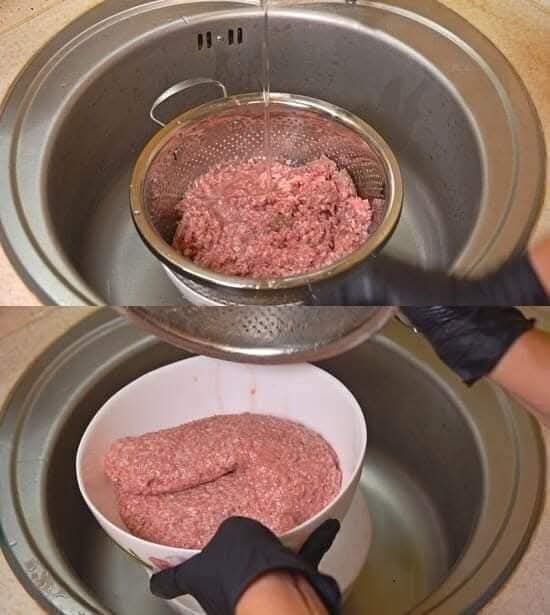
Is It Necessary to Wash Ground Beef Before Cooking?
When you buy a package of ground beef, you might wonder if you should rinse it under the tap first — hoping to clean it or remove bacteria. The answer from food safety agencies and experts is pretty clear: No — you should not wash ground beef before cooking it.
Here’s why, how you should handle it safely instead, and what myths around it persist.
What the Experts Say
- According to the United States Department of Agriculture (USDA), rinsing or washing raw beef (including ground beef) isn’t necessary. The cooking process is what kills dangerous bacteria.
- The USDA’s “Washing Food” fact sheet notes that washing meat or poultry can increase the risk of cross-contamination in the kitchen — splashing of water from the meat onto surfaces, utensils, or other foods.
- The USDA’s “Ground Beef and Food Safety” page explains that when beef is ground, surface bacteria are mixed throughout the product — so washing the outside would not remove all bacteria anyway. Cooking to the right internal temperature is the safe method.
- Healthline summarises that washing meat doesn’t kill bacteria, and in fact spreading raw-meat juices via rinse water can increase risk of foodborne illness.
Why Washing Ground Beef Is NOT a Good Idea
- Washing doesn’t remove all bacteria: Bacteria that cause illness (like E. coli, Salmonella) can be embedded throughout ground beef. Only proper cooking will reliably kill them.
- Risk of cross-contamination increases: Splashing water can send bacteria to nearby countertops, utensils, or even to fresh foods that won’t be cooked.
- Possible loss of flavor / unwanted consequences: Some sources mention that rinsing away the juices/fat can reduce flavor, or can cause unwanted texture changes. Plus, draining heavy grease after cooking is better than rinsing raw meat.
What You Should Do Instead
Safe handling & cooking steps:
- Keep beef cold: Refrigerate ground beef at 40 °F (4 °C) or below until you’re ready to use it. Use within 1-2 days, or freeze for longer.
- Avoid cross-contamination:
- Use separate cutting boards/plates for raw meat vs. ready-to-eat foods.
- Wash your hands for at least 20 seconds with soap and warm water after handling raw meat.
- Clean & sanitize surfaces and utensils that came into contact with raw ground beef.
- Cook thoroughly: Use a food thermometer and ensure ground beef reaches an internal temperature of 160 °F (71 °C) (per USDA) so that harmful bacteria are destroyed.
- Drain excess fat after cooking (if needed): If you want to reduce grease, cook first, then drain or blot – instead of rinsing raw meat.
- Store leftovers promptly: Refrigerate or freeze within 2 hours of cooking (or 1 hour if it’s hot environment).
Frequently Asked Questions
Q: What if I see a bit of “blood” or liquid in the package — should I rinse it to clean it?
A: The liquid in the package is usually just meat juices (myoglobin, not actual blood) and not dirt or contamination. Rinsing won’t make it safer; cooking to the right temp will. Many experts say this is standard and not a reason to rinse.
Q: Are there ever exceptions where meat should be rinsed?
A: In some cultural or older home-cooking practices, people rinse whole cuts of meat or poultry (especially if bought fresh from a market rather than a packaged product). But for ground beef from a store, the authoritative guidance is that rinsing is unnecessary and potentially harmful (because of cross-contamination).
Q: Does not rinsing mean the meat is not clean?
A: “Clean” in terms of eliminating harmful bacteria is achieved by cooking, not rinsing. Proper hygiene (clean hands, clean surfaces) + correct cooking is what matters.
Bottom Line
If you buy packaged ground beef from a store, do not rinse it before cooking.
Focus instead on: proper storage, avoiding cross-contamination, and cooking it thoroughly. Rinsing raw ground beef brings little benefit and increases risk.